
Submitted by Friedman Nemecek on
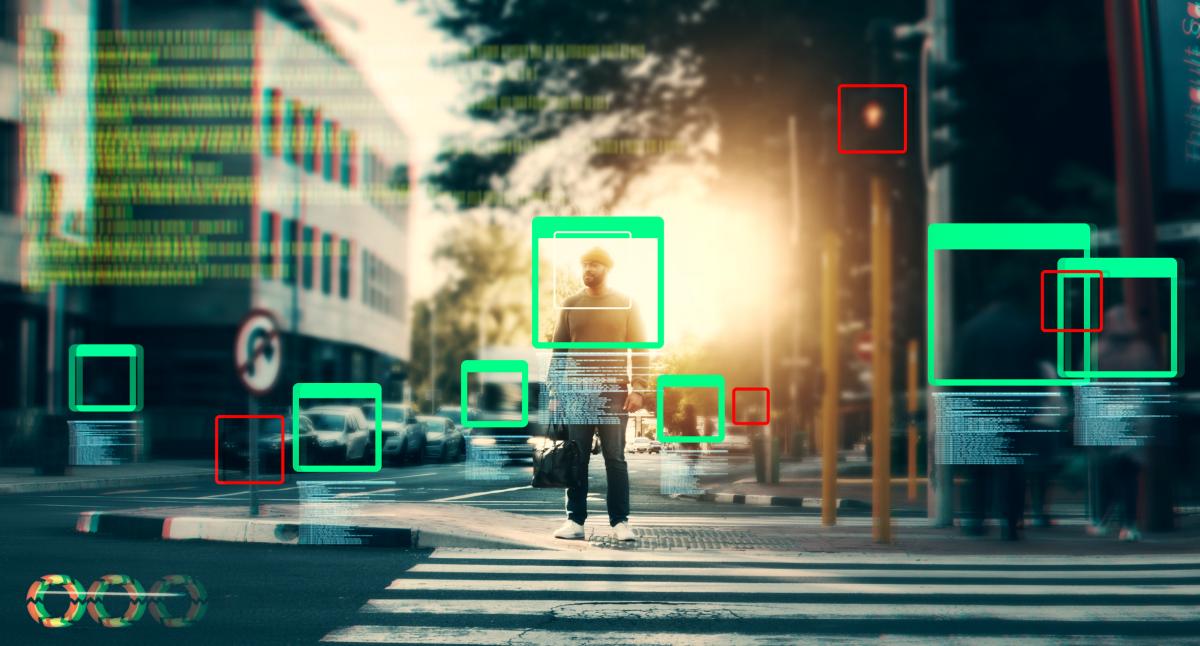

Smartphones, social media and secret chat apps have contributed to a substantial increase in the dissemination of child pornography materials, with more than 60 million photos, videos and files reportedly in circulation over the past year. During the course of child pornography investigations, law enforcement agents typically seize electronic devices pursuant to a search warrant. Thereafter, said devices are forensically examined to determine whether they contain evidence of child pornography activity.
The process for conducting these forensic examinations can be time consuming, often requiring officers to spend weeks manually sifting through electronic devices to identify images or videos constituting child pornography before filing criminal charges or making an arrest. However, a company recently developed a new software feature that can speed up the process of identifying child exploitative images on individual’s cell phones and computers.
The new technology feature was designed by Cellebrite, which makes software commonly used by law enforcement agencies to access seized smartphones and computers, copy their contents, and analyze users’ digital histories and contacts. Cellebrite claims that its new scanning feature incorporates roughly 10 million vetted digital hallmarks of child sexual abuse material from the National Center for Missing and Exploited Children (“NCMEC”), a nonprofit organization tasked with identifying, verifying and cataloguing child exploitation material. According to Cellebrite, the new scanning feature will allow police to connect a smartphone, computer or computer hard drive to Cellebrite’s technology to quickly identify files, photos and videos that match images in the NCMEC database.
While the new technology is being touted as a significant step forward in the effort to curtail child sexual abuse, legal scholars and law enforcement watchdogs have expressed concerns about the potential for Government abuse. Critics have also noted the potential risk of error associated with the new scanning feature, which could result in innocent people being unwittingly caught up in child pornography investigations and/or prosecutions. For instance, the software could flag pictures of children that were innocently taken by their parents or images contained in a spam email that the user never viewed.
At Friedman, Nemecek, Long & Grant, L.L.C., our team of experienced attorneys have represented individuals facing criminal investigations or charges related to child pornography throughout the United States as well as internationally. Our lawyers stay abreast of the constant changes in the investigation and prosecution of cybercrimes to ensure that our clients receive the most comprehensive and effective representation available. If you have questions regarding such matters, or you have been subjected to or accused of committing a criminal offense relating to child pornography, please call the law firm at 216-928-7700 for a free initial consultation. For more information, visit us at www.iannfriedman.com.

.png)

